
Building a strong bond with your horse is essential for creating a trusting and harmonious relationship. Trust is the foundation of any successful partnership between horse and rider, and it takes time, patience, and consistency to develop. Here are some practical tips to help you building a bond and develop trust and mutual respect.
Understanding Your Horse's Behavior
1. The Importance of Body Language
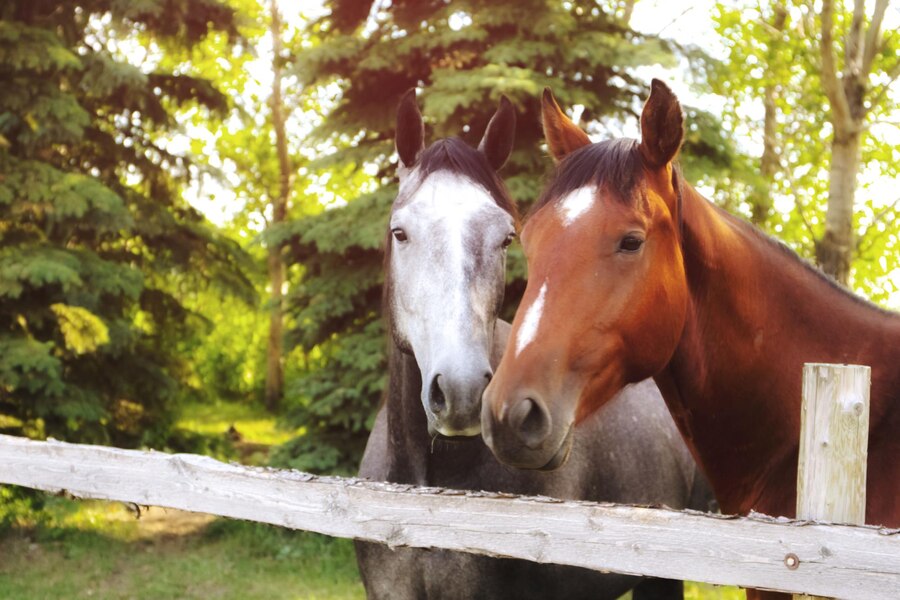
Horses communicate primarily through body language. Pay close attention to your horse’s ears, eyes, tail, and overall posture, as these can provide valuable insights into their mood and intentions. For example, a relaxed horse will have soft eyes, a lowered head, and ears that are forward or relaxed, while a tense or anxious horse may have pinned ears, a high head, and a swishing tail.
Recognizing and responding to your horse’s body language helps you address their needs and emotions effectively. For instance, if your horse shows signs of anxiety or discomfort, you can take steps to alleviate their stress by creating a calm and safe environment. By being attuned to your horse’s body language, you demonstrate that you understand and respect their communication, which fosters trust.
Building trust also involves using your own body language to communicate with your horse. Approach your horse calmly and confidently, using slow and deliberate movements to avoid startling them. Consistent and clear body language signals, such as a gentle touch or a relaxed posture, help your horse feel secure and understood. Over time, your horse will learn to trust and respond positively to your cues, strengthening your bond.
2. Recognizing Behavioral Cues
In addition to body language, horses exhibit various behavioral cues that indicate their feelings and reactions. Understanding these cues is essential for building a strong bond. For example, a horse that nuzzles you or follows you around is displaying affection and trust, while a horse that turns its back or avoids eye contact may be feeling wary or defensive. Recognizing and responding to these cues appropriately helps build mutual respect and understanding.
Behavioral cues can also indicate your horse’s needs and preferences. For instance, a horse that frequently licks and chews after a training session is signaling relaxation and contentment. Conversely, a horse that shows signs of frustration, such as pawing the ground or swishing its tail, may need a break or a change in the training routine. By paying attention to these cues, you can adjust your interactions to better meet your horse’s needs, promoting a positive and trusting relationship.
Understanding your horse’s behavioral cues also involves recognizing their individual personality traits. Each horse is unique, building a bond requires finding a suitable approach to match their temperament. Some horses may be naturally more cautious and require gentle handling, while others may be more outgoing and respond well to playful interactions. By respecting your horse’s individuality and adjusting your approach accordingly, you demonstrate empathy and build trust.
Consistent and Positive Interaction
1. Establishing Routine and Consistency
Horses thrive on routine and consistency, which provide a sense of security and predictability. Establishing a regular schedule for feeding, grooming, and training helps your horse feel secure and builds trust. Consistent routines signal to your horse that they can rely on you to meet their needs, fostering a sense of stability and trust. Additionally, consistency in your behavior and responses helps your horse understand what is expected of them, reducing confusion and anxiety.
Consistency also extends to your training methods and handling techniques. Using consistent cues and commands helps your horse learn more effectively and builds confidence in your leadership. When your horse understands what is expected of them and can predict your actions, they are more likely to trust and cooperate with you. Consistent and fair treatment reinforces positive behavior and creates a foundation of trust and respect.
Establishing a routine also provides opportunities for regular interaction and bonding. Daily grooming sessions, for example, not only keep your horse clean and healthy but also strengthen your bond through physical touch and attention. Incorporating routine activities such as grooming, feeding, and turnout into your daily schedule ensures that you spend quality time with your horse, reinforcing your bond and building trust.
2. Positive Reinforcement
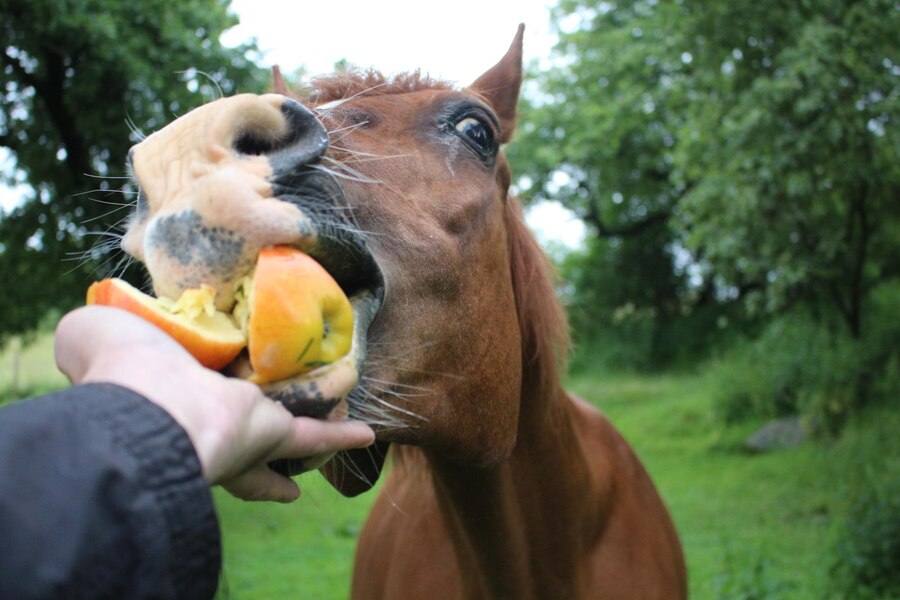
Positive reinforcement is a powerful tool for building trust and encouraging desired behaviors in your horse. Rewarding your horse with treats, praise, or gentle pats for good behavior reinforces their actions and encourages them to repeat those behaviors. Positive reinforcement creates a positive association with training and interaction, making your horse more willing and eager to engage with you. It is an effective and humane way to build trust and cooperation.
When using positive reinforcement, it is important to be timely and consistent. Reward your horse immediately after they perform the desired behavior to reinforce the connection between the action and the reward. Consistency in your rewards helps your horse understand which behaviors are being encouraged, making training more effective and enjoyable. Positive reinforcement also helps build your horse’s confidence and trust in you as a fair and supportive leader.
In addition to treats and praise, positive reinforcement can also involve activities your horse enjoys, such as a relaxing trail ride or a playful game. Tailoring rewards to your horse’s preferences makes the reinforcement more meaningful and strengthens your bond. By consistently using positive reinforcement, you create a positive and trusting relationship with your horse, based on mutual respect and cooperation.
3. Setting Boundaries with Compassion
While positive reinforcement is crucial, setting boundaries is also important for building trust and respect. Horses need clear and consistent boundaries to understand what behaviors are acceptable. Setting boundaries with compassion involves using gentle corrections and clear communication to guide your horse’s behavior. It is important to be firm but fair, avoiding harsh punishments or negative reinforcement, which can damage trust and create fear.
Establishing boundaries helps your horse understand their role within the relationship and creates a sense of security. When your horse knows what is expected of them and what behaviors are not tolerated, they are more likely to trust your leadership. Setting boundaries also helps prevent undesirable behaviors, such as biting or kicking, which can pose safety risks. By consistently reinforcing boundaries with compassion, you create a safe and respectful environment for both you and your horse.
Building trust through boundary setting also involves respecting your horse’s boundaries. Pay attention to your horse’s body language and signals, and avoid pushing them beyond their comfort zone. Respecting your horse’s boundaries demonstrates empathy and understanding, which in turn fosters trust and cooperation. Building a relationship based on mutual respect and clear boundaries creates a strong and lasting bond with your horse.
Spending Quality Time Together
1. Grooming and Bonding
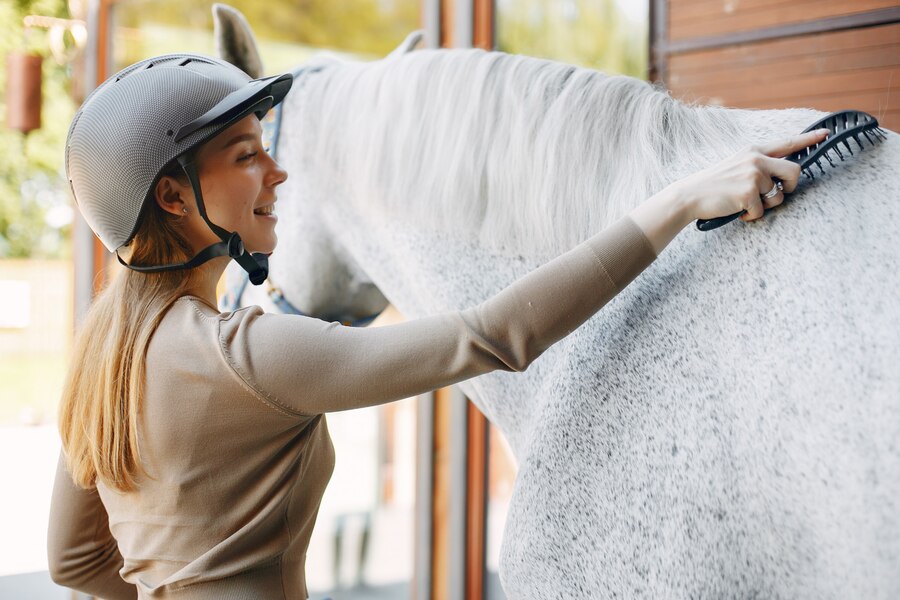
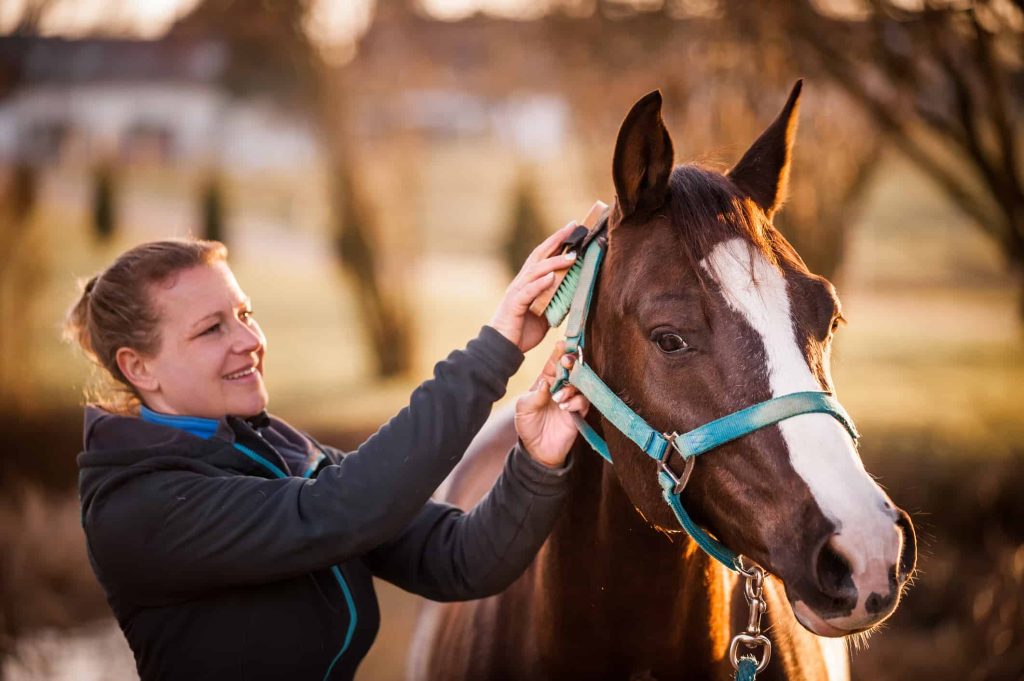
Grooming is an excellent opportunity to bond with your horse and build trust. The physical touch involved in grooming helps strengthen your connection and provides a calming and enjoyable experience for your horse. Regular grooming sessions allow you to spend quality time together, reinforcing your bond and demonstrating your care and attention. Grooming also provides an opportunity to check for any injuries or health issues, ensuring your horse’s well-being.
During grooming sessions, use gentle and soothing strokes to create a relaxing experience for your horse. Pay attention to areas where your horse enjoys being groomed and spend extra time on those spots. The rhythmic motion of brushing and the physical contact can have a calming effect, helping to reduce stress and anxiety. Grooming also helps to establish trust by showing your horse that you can provide comfort and care.
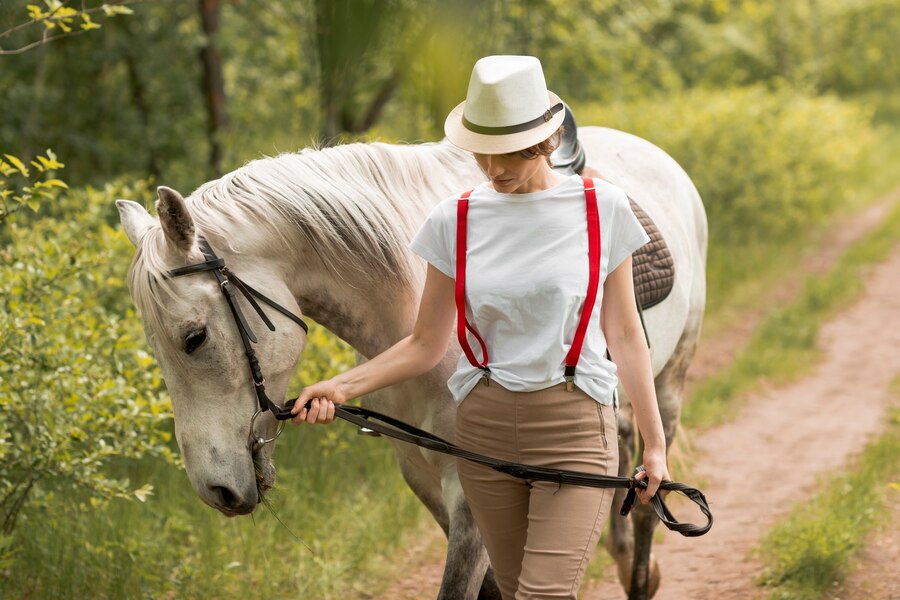
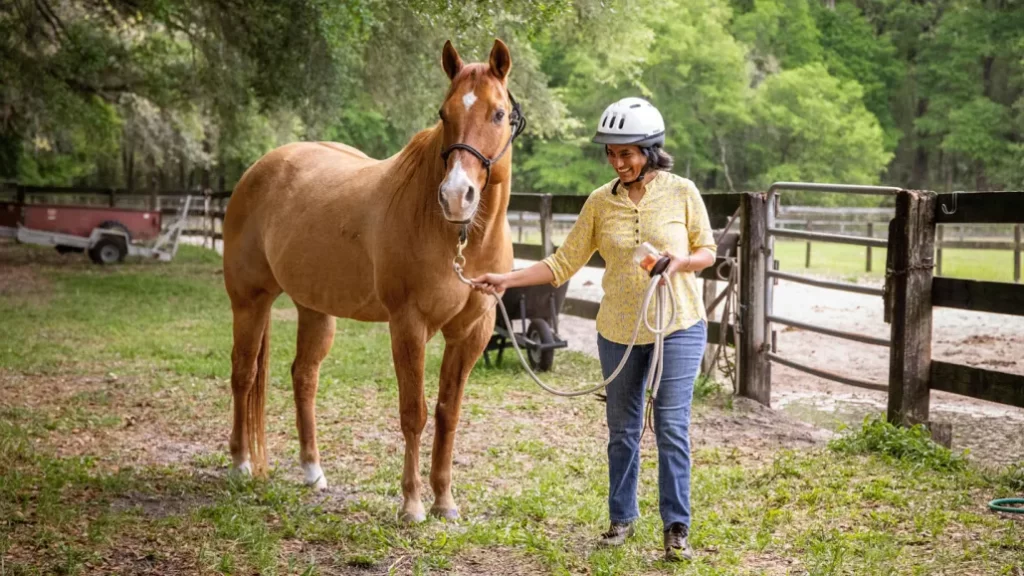
In addition to regular grooming, spending quality time with your horse can involve other bonding activities, such as hand-walking, grazing, or simply being present in their space. These activities help build trust by allowing your horse to associate your presence with positive and relaxing experiences. The more time you spend with your horse, the stronger your bond will become, fostering a deeper sense of trust and mutual understanding.
2. Training and Play
Training sessions are an essential part of building trust and cooperation with your horse. Using positive reinforcement and clear communication during training helps your horse understand what is expected of them and encourages them to engage willingly. Training should be a positive and enjoyable experience for your horse, promoting learning and confidence. Incorporating play into your training routine can also help strengthen your bond and make training more enjoyable.
Incorporate a variety of training exercises to keep your horse engaged and mentally stimulated. Groundwork, lunging, and riding sessions can all contribute to building trust and improving communication. Use clear and consistent cues, and reward your horse for their efforts to reinforce positive behavior. Training sessions provide an opportunity to build mutual respect and cooperation, as your horse learns to trust your guidance and leadership.
Playful activities, such as obstacle courses, games, or free time in a safe area, can also enhance your bond with your horse. Play allows your horse to express themselves and enjoy their time with you, creating positive associations with your presence. Integrating play into your routine helps keep your horse motivated and eager to interact with you, strengthening your bond and fostering trust.
3. Patience and Understanding
Building trust with your horse requires patience and understanding. Each horse is unique and may have different needs and responses to various situations. Taking the time to understand your horse’s personality, preferences, and past experiences helps you tailor your approach and build a stronger bond. Be patient and give your horse the time they need to adjust and learn, without rushing or forcing them into uncomfortable situations.
Patience is especially important when working with young, inexperienced, or previously mistreated horses. These horses may require more time and gentle handling to build trust and confidence. Consistent and positive interactions help them feel safe and secure, gradually building their trust in you. Understanding your horse’s background and being empathetic to their needs creates a supportive environment that fosters trust and cooperation.
In addition to patience, being present and attentive during your interactions with your horse is crucial. Focus on your horse and avoid distractions, showing them that they have your full attention and respect. Listening to your horse’s cues and responding appropriately demonstrates your commitment to their well-being and strengthens your bond. Building trust takes time, but with patience and understanding, you can develop a deep and lasting relationship with your horse.
Conclusion
Building a bond and developing trust with your horse is a rewarding journey that requires time, patience, and consistency. By understanding your horse’s behavior, establishing routine and consistency, using positive reinforcement, setting compassionate boundaries, and spending quality time together, you can create a strong and trusting relationship. Trust is the foundation of a successful partnership with your horse, leading to better communication, cooperation, and a deeper connection. With dedication and empathy, you can build a bond that will enhance both your lives and create a harmonious and fulfilling relationship